
Batteries Today

By Jason Rieck
Co-Founder & Lead Designer, Cat Cruisers
More of daily life runs on rechargeable batteries every year. A recent article by senior battery scientist Dr Ouyang Chuying makes a simple point. How good a battery is, and how long and safely it lasts, comes down to something you can't see: tiny, unwanted chemical reactions inside it, called side reactions. Here's what that means.
How a battery works, in one minute
A rechargeable lithium battery has two sides, called electrodes, with a liquid between them called the electrolyte. Charging pushes tiny charged particles, lithium ions, from one side to the other. Using the battery lets them flow back, and that movement powers your device. Picture a crowd walking back and forth across a bridge. While the same number of walkers keep making the trip, the battery keeps its full capacity.

So what's a side reaction?
Ideally, that trip would be the only thing happening. In reality, the materials inside also react with each other in small ways nobody wants. Those are side reactions.
Dr Ouyang compares them to inflammation in the body. Most are the slow, chronic kind. They cause no immediate danger, but they quietly wear the battery down, a bit like rust slowly eating into a steel gate.
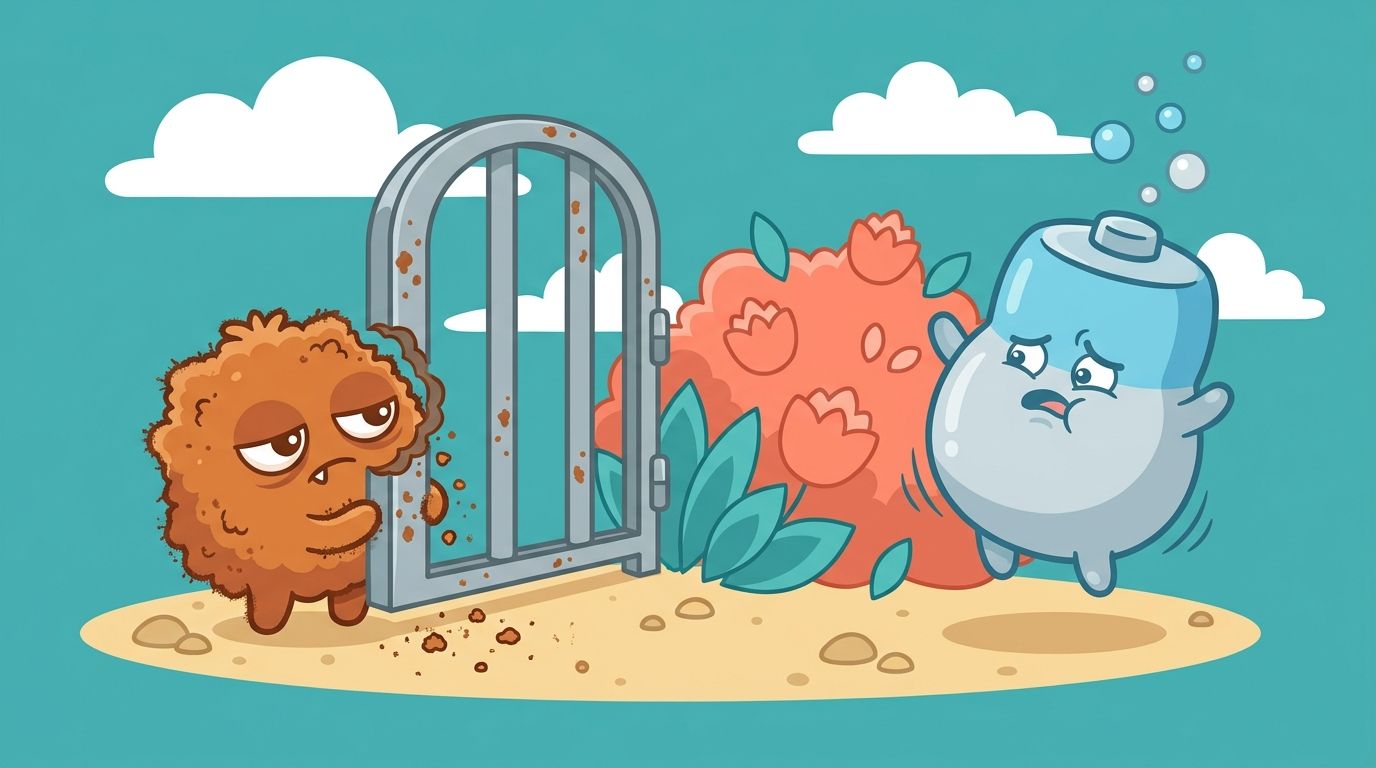
Here's what's actually happening. Some side reactions break down the electrolyte where it touches the electrodes, producing gases such as carbon monoxide, carbon dioxide and methane, the article explains. Trapped in a sealed cell, the gas makes it swell. Other side reactions trap lithium where it can no longer make the trip. Every trapped ion is one fewer walker on the bridge, so the battery holds a little less charge. According to the article, this gradual loss of usable lithium is a big part of why batteries age.

When a small problem becomes a big one
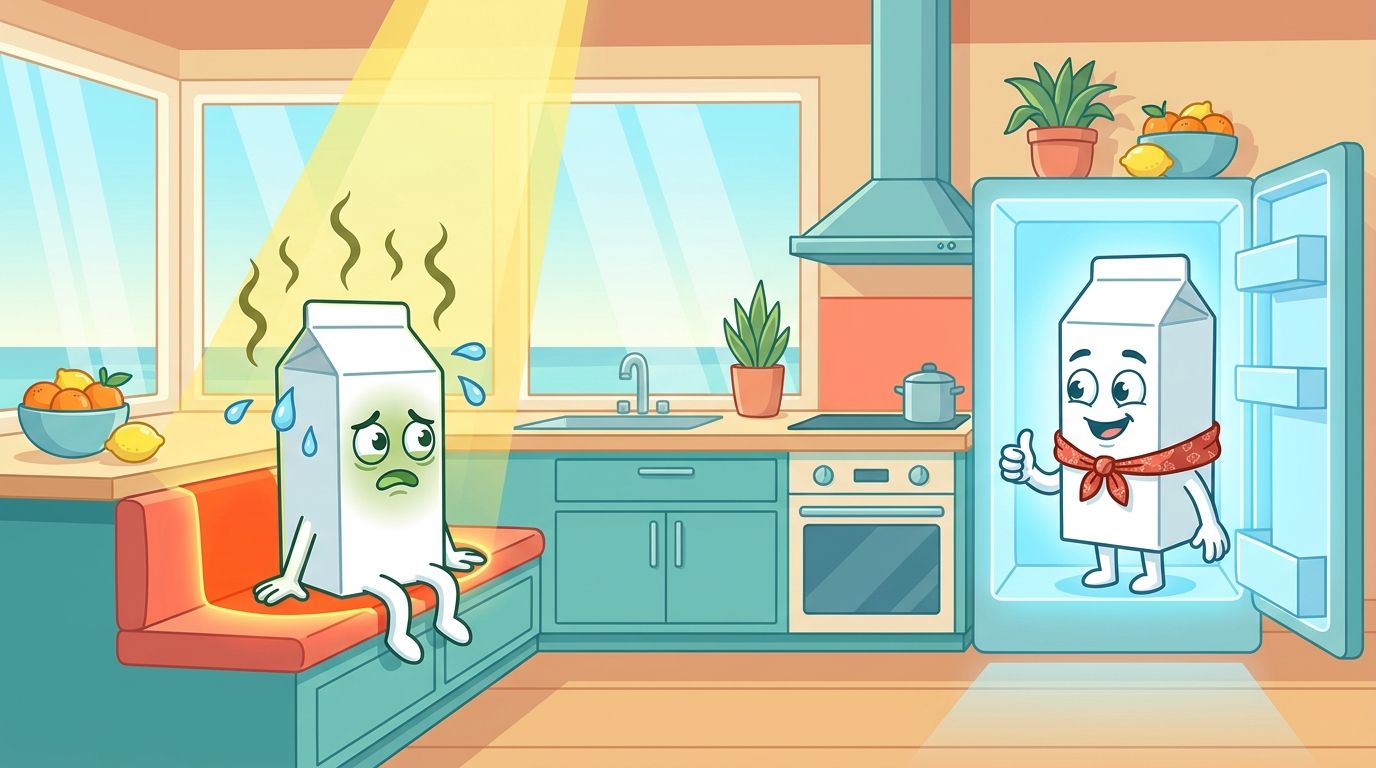
A much rarer kind is more like acute inflammation: sudden and serious. The article describes what can happen under extreme stress, such as an internal short circuit. The short turns stored electricity into heat, and heat speeds up chemical reactions, the same reason milk goes off faster on the bench than in the fridge. Faster reactions make more heat and gas, which speeds them up again. If that loop isn't broken early, it can spiral into a serious failure called thermal runaway. Understanding these reactions, the article argues, is the only way to break the chain at its source.
Why a single atom can matter
Surprisingly, the article argues that battery quality starts with how atoms are arranged in the materials. Ideally, atoms sit in neat rows, leaving clear channels for lithium to move through. Real materials always have flaws. The article's example is an iron atom sitting in a spot meant for lithium. That one misplaced atom blocks the channel, like a broken-down car in a single-lane tunnel. It also disturbs its neighbours, which can trigger further side reactions that damage a thin protective layer on the other electrode and use up lithium.

Yet normal quality checks, such as chemical make-up, particle size, moisture and contamination, can all pass while those flaws are still there. Dr Ouyang likens it to a routine check-up that spots visible problems but not an underlying genetic one. The article's answer is to work out in advance which flaws matter and how they form, then use precise X-ray and neutron scanning to check materials at the atomic level before production.
Batteries age, and so do their problems
The article notes that the same side reaction can behave quite differently in a new battery and a ten-year-old one, much as our bodies handle stress differently as we age. So testing a battery when it's new isn't enough; it has to be understood across its whole life. It's like a car engine: what wears it when new isn't what wears it after years of hard driving.

Control, not elimination
The article is frank that side reactions can never be eliminated completely. The goal is to understand them, steer them down less harmful paths and limit their impact. It describes two tactics: reduce damage at the source with materials designed to use up less lithium, and repair some of it along the way with electrolytes designed to heal part of the damage as the battery works.
Or, as Dr Ouyang puts it: “Fear comes from not knowing. Reverence comes from deep understanding.”
What this means for you
Battery care is like looking after your body. Top priority.
This section is general, well-established battery care advice, not from the article.
- Avoid extreme heat. Heat speeds up side reactions, so keep devices off hot dashboards and out of direct summer sun.
- Don't leave it sitting full or flat for long. For storage, part-charged is usually kinder than full or empty. Check the manufacturer's advice.
- Use the right charger: the one made for the device, or a reputable one rated for it.
- Watch for swelling. A bulging case, odd smell or unusual heat are warning signs. Stop using and charging it, keep it away from anything flammable, and dispose of it safely, never in the household bin.
Why we care
At Cat Cruisers, we build boats that double as caravans: cruise by day, sleep aboard by night. When your boat is also where you sleep, battery quality isn't an abstract lab topic. It's part of everyday peace of mind.
Read Dr Ouyang Chuying's original article: Mastering Side Reactions — The Invisible Battlefield of Battery Quality.