
Electric Boat Maintenance: What You Need to Service
By Jason Rieck
Co-Founder & Lead Designer, Cat Cruisers
Battery care is like looking after your body. Top priority. And that goes for the rest of an electric boat too. One of the big selling points of electric boats is less maintenance, and it's true: there's far less to service than on a petrol or diesel boat. But less doesn't mean none. Here's what still needs attention, in plain English.
What you can forget about
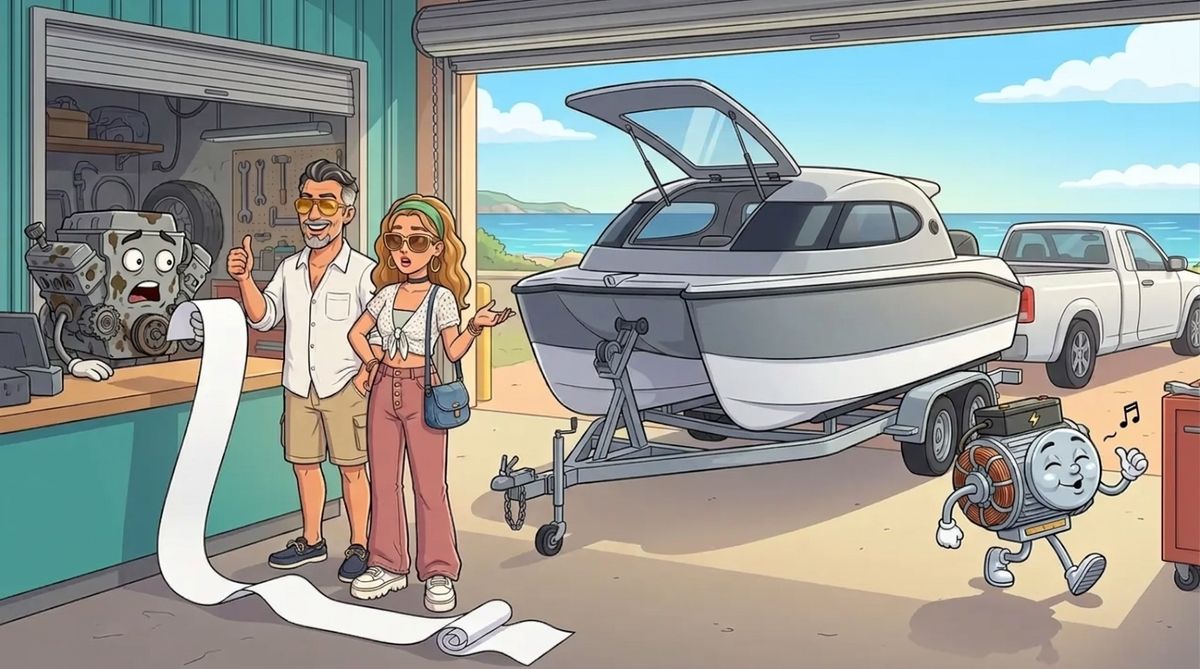
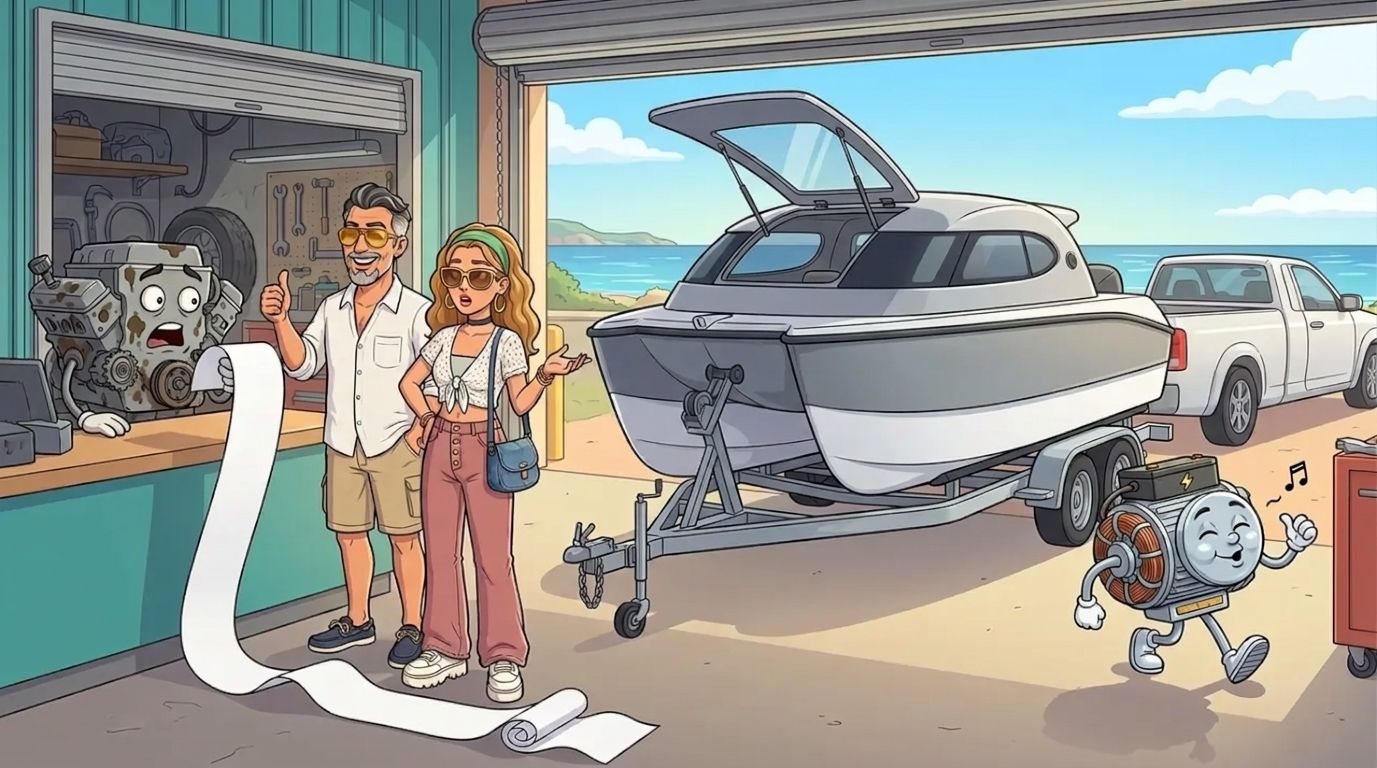
A long list of petrol-engine jobs simply doesn't exist on an electric boat. There are no oil changes, no fuel filters, no spark plugs and no carburettor or fuel injection. There's no gearbox oil in the leg to change, no engine cooling impeller to replace, no drive belts and no exhaust to rust out.
That's because an electric motor has only a handful of moving parts, compared with the hundreds in a petrol or diesel engine and everything bolted to it. Fewer moving parts generally means fewer things to wear out, though exact service needs vary by manufacturer.
What still needs regular checks
Low-maintenance isn't no-maintenance. Some larger electric drive systems have simple checks at set intervals, such as looking at water filters, coolant levels and electrical connections. These are usually quick visual checks, not long workshop sessions. Your manual will tell you what your system needs and how often.
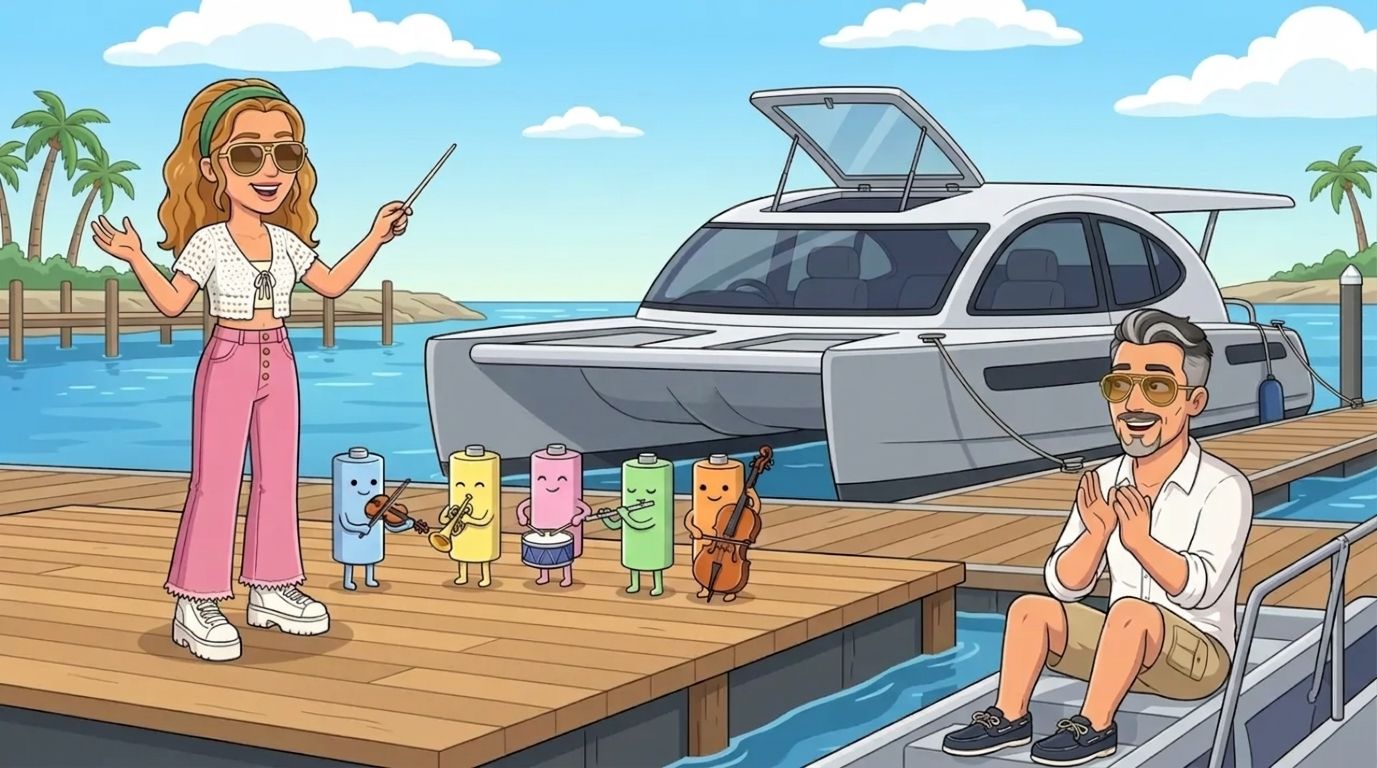
Then there's the battery. Most modern boat batteries have a battery management system (BMS), which is the battery's built-in minder. It keeps an eye on temperature and charging, and keeps all the individual cells working evenly, a bit like a conductor keeping an orchestra in time. It does most of its job automatically, but it's still good practice to:
- keep connections tight and free of corrosion
- keep the battery compartment clean and dry
- have the battery system checked by a qualified marine electrician from time to time.

Battery life and warranty terms vary a lot between manufacturers, so check the details for your battery rather than relying on general figures.
Below the waterline: same as any boat
Anything under the water needs looking after, whether the boat is electric or petrol.
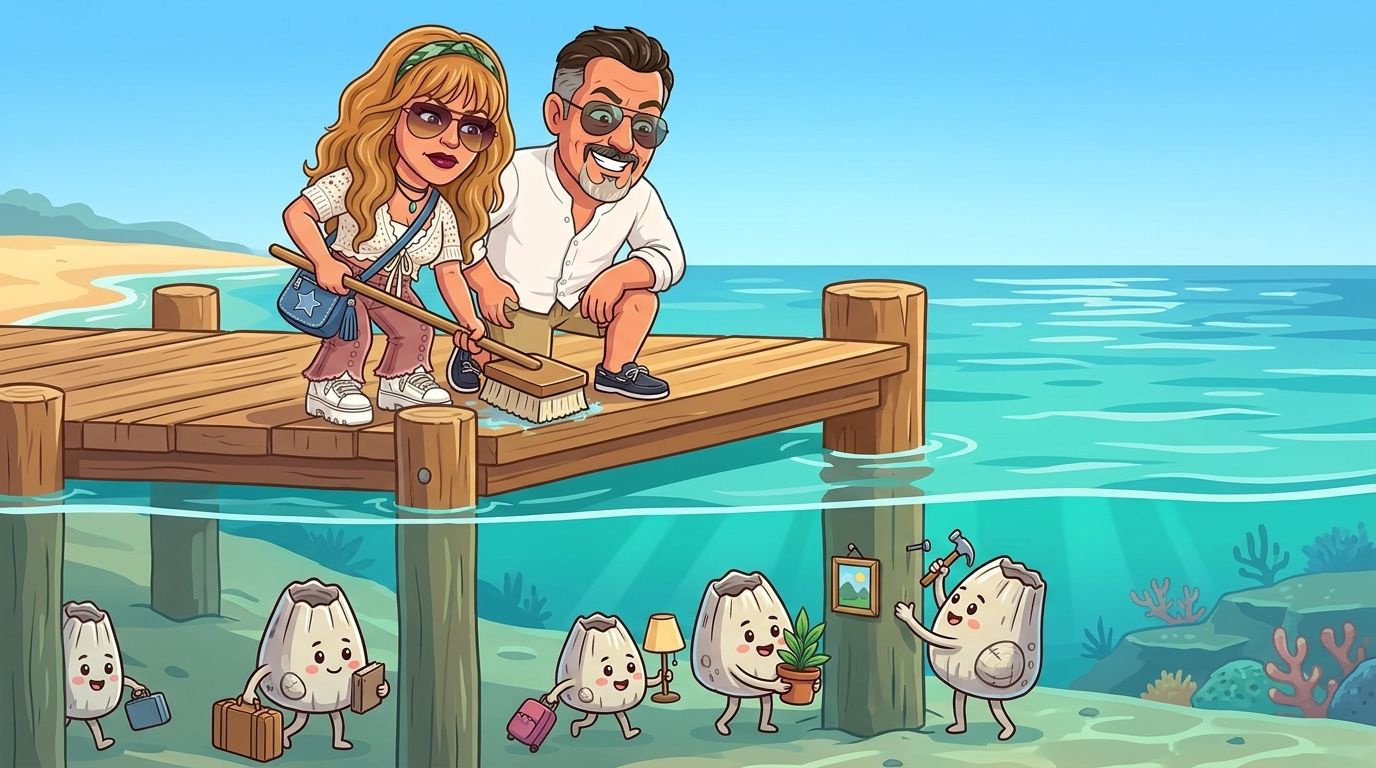
Antifouling is special paint that stops marine growth such as weed and barnacles from sticking to the hull. Boats kept in the water need it redone regularly. Barnacles are like uninvited house guests: once they move in, they're hard to get rid of.
Sacrificial anodes are small blocks of metal that corrode on purpose, so the more important metal parts underwater don't. They're like a bodyguard taking the hit. They wear away over time and need checking and replacing.
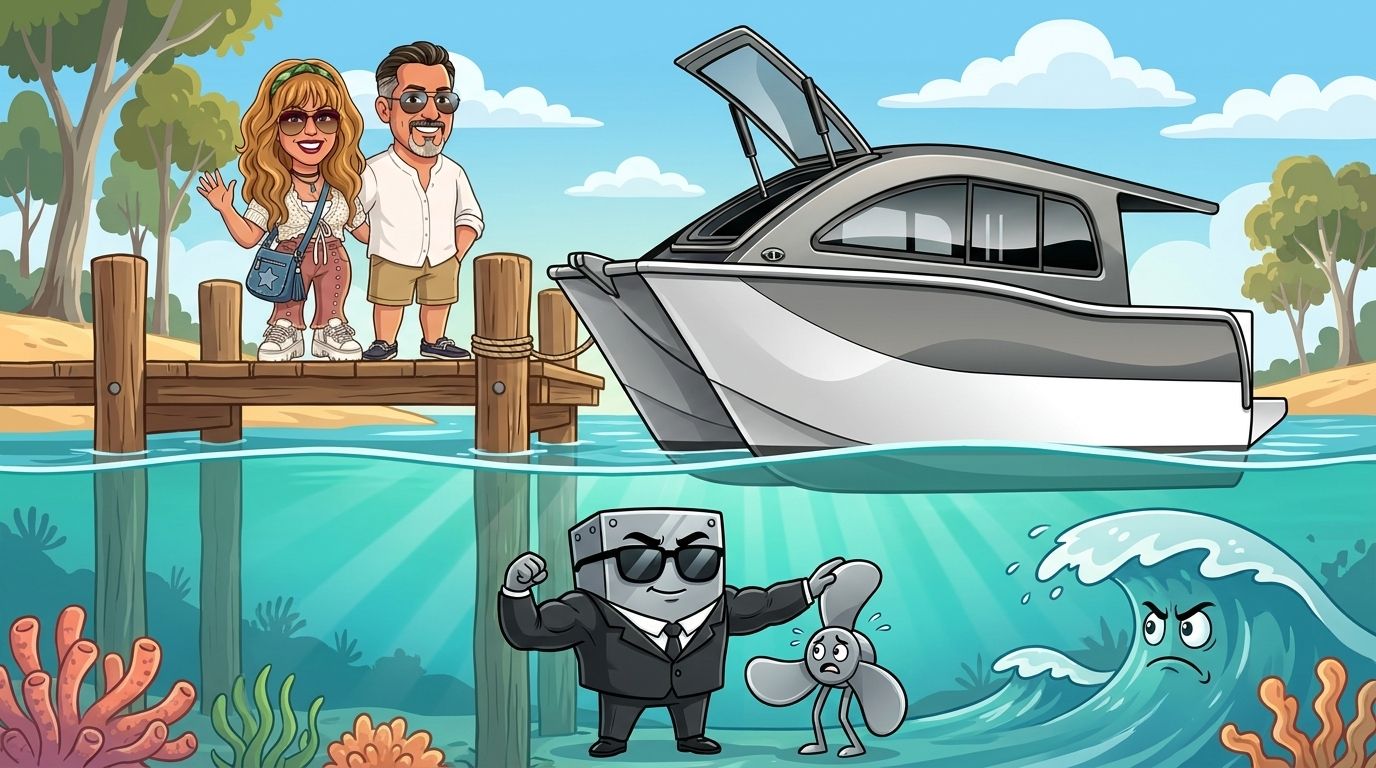
Propellers and drive units need checking for damage, weed and wear, and fittings that pass through the hull need checking to make sure they're sound.
Trailer boats have an advantage here. Because they spend most of their time out of the water, they pick up far less marine growth than boats kept in a marina.
A simple routine
This is a general guide. Always follow your manufacturer's schedule.
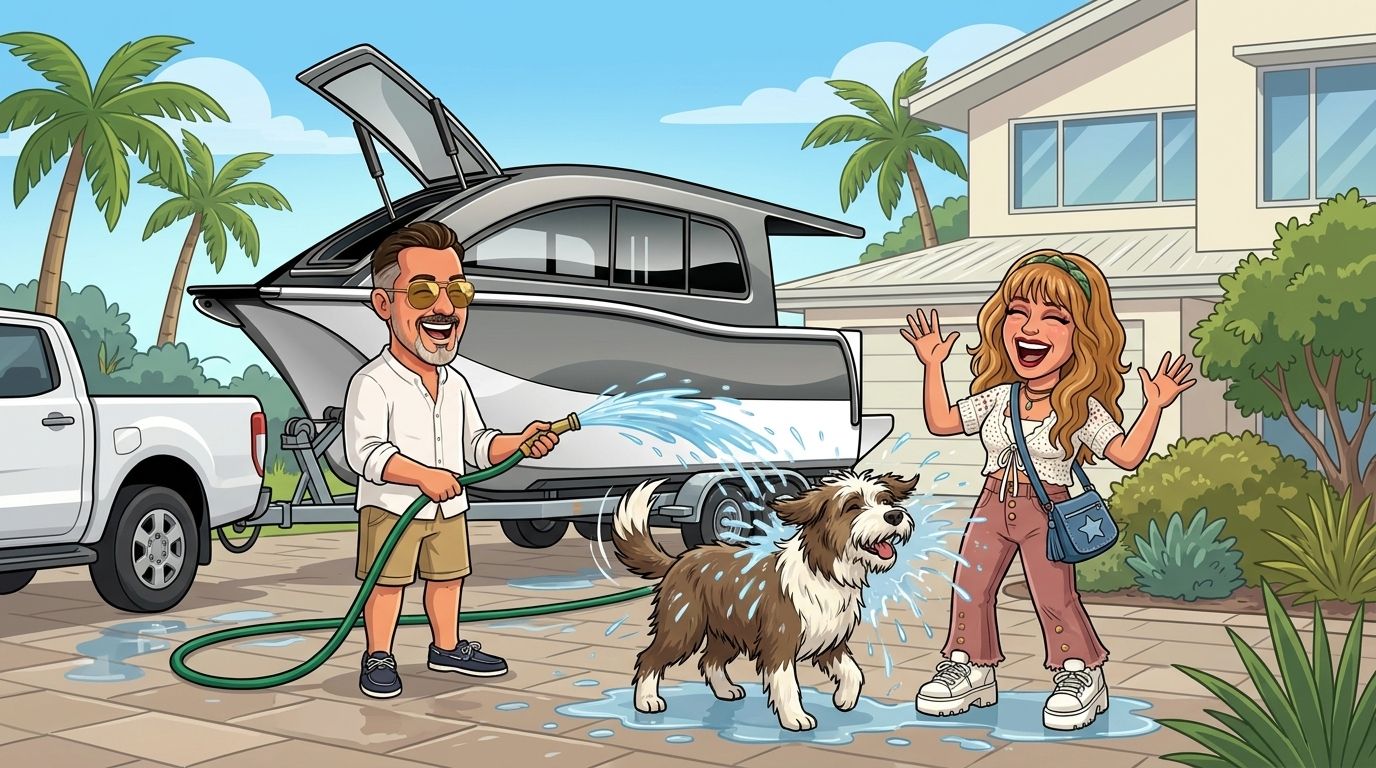
- After every trip: rinse the boat, motors and trailer with fresh water, like rinsing off after a swim in the ocean. Check the battery's charge level.
- Regularly: do the checks your manual lists for your drive system and connections.
- Every so often: inspect anodes, propellers and trailer bearings.
- Once a year: service the antifouling if the boat lives in the water, and have the battery system inspected by a qualified marine electrician.
Most of this is well within reach of an owner with basic skills, with a professional for the electrical side.
Where Cat Cruisers fits in
Cat Cruisers are designed to keep ownership simple. Every Cat Cruiser has twin electric motors, a 60 kWh drive battery, a separate house battery for life on board, and 5,000 W of roof solar to help stretch a sunny day. And because they're trailerable, they can live on the trailer at home rather than sitting in the water between trips.
Want to know what owning an electric catamaran really involves? Have a chat with the team at catcruisers.com.au/contact.