
NMC vs LFP vs LTO: Three Lithium Batteries Explained

By Jason Rieck
Co-Founder & Lead Designer, Cat Cruisers
Shop for a battery for a caravan, a boat, an e-bike or home solar and you'll hit a wall of letters: NMC, LFP, LiFePO4, LTO. They're all lithium batteries, but they're not the same thing. Each one is named after what's inside it, and that changes how heavy it is, how it copes with heat and cold, how fast it charges, how long it lasts and what it costs. So we went to Battery University, the International Energy Agency (IEA) and published research to find out what each one is really like.
To help with the jargon, I've roped in my co-host, DJ. She has a real knack for turning tech-speak into plain Aussie English, so whenever a technical term turns up, we'll stop and tell you what it actually means. No engineering degree required.
Short on time? Watch our 76-second cartoon version here.

Three lithium batteries, spelled out
- NMC is lithium nickel manganese cobalt oxide. You'll sometimes see it written NCM.
- LFP is lithium iron phosphate. Its chemical formula is LiFePO4, which is why you see both names. "Fe" is the chemical symbol for iron.
- LTO is lithium titanate, also called lithium titanium oxide.
All three work the same basic way: they move lithium back and forth to store and release energy. What changes is the material on each side of the cell. Think of them as three mates with very different strengths: a sprinter, a workhorse and a marathon runner.
Plain English, please: "Watt-hours per kilo" (Wh/kg) is how much energy a battery carries for its weight. DJ puts it like this: picture three backpacks that weigh the same, and ask how much water each one holds. The higher the number, the lighter the battery for the same job.
NMC (lithium nickel manganese cobalt oxide): the sprinter
NMC is named after the three metals on its positive side. The nickel packs in energy, the manganese helps keep things stable and the cobalt holds the structure together. The result is the lightest of our three for the energy it stores. Battery University puts typical NMC cells at roughly 150–220 Wh/kg. That's why NMC is a favourite for e-bikes, power tools and many electric cars, where weight and range matter most. Typical cycle life is around 1,000–2,000 cycles, depending on how deeply it's discharged and how hot it runs.
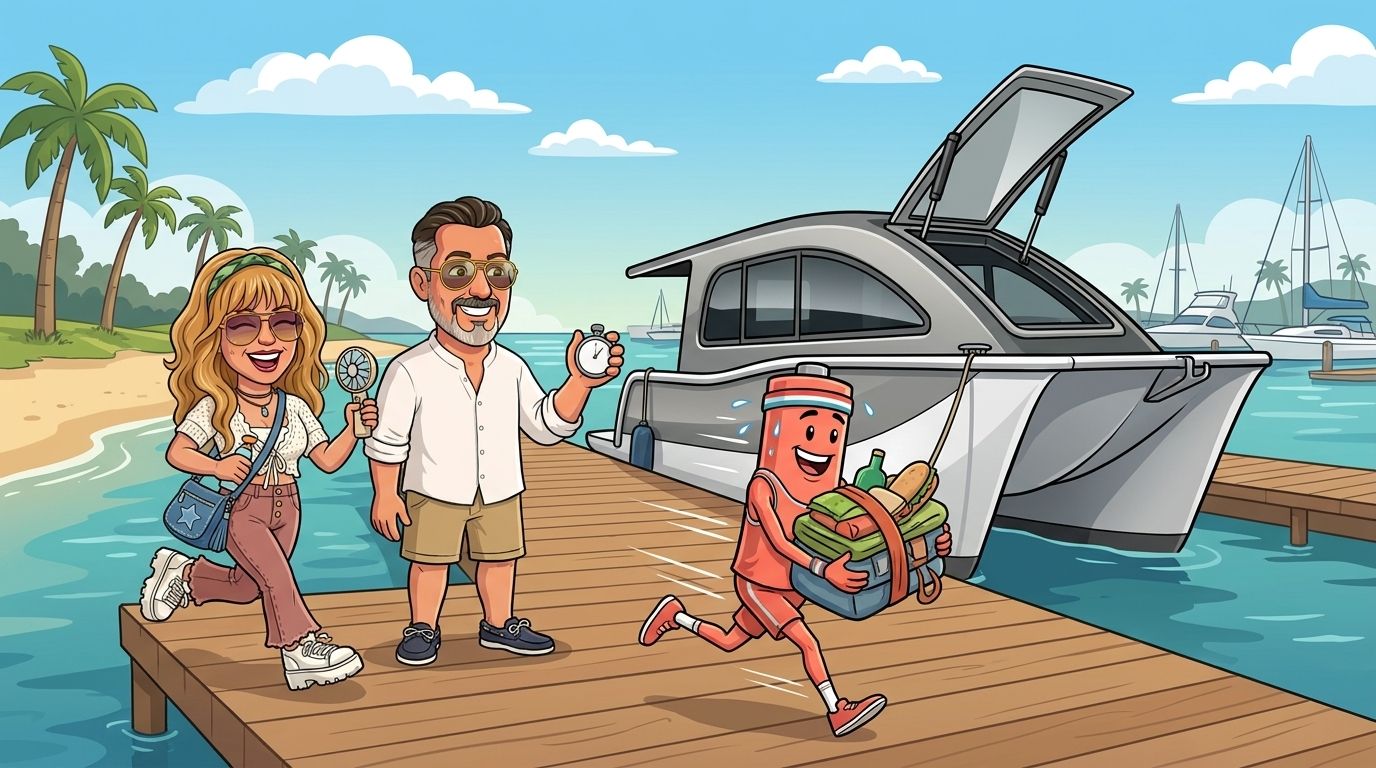
The catch is that NMC is less relaxed about heat than the other two. Battery University lists a typical thermal runaway temperature of about 210 °C for NMC, against about 270 °C for LFP. So NMC packs lean harder on good cooling and a battery management system.
Plain English, please: "Thermal runaway" is when a cell overheats on its own and then heats up its neighbours, like a row of dominoes falling. The higher the temperature it takes to set off that first domino, the more breathing room you have.
LFP (lithium iron phosphate, LiFePO4): the workhorse
Swapping the nickel and cobalt for iron and phosphate gives up some energy per kilo. Battery University quotes about 90–120 Wh/kg. In return you get a very stable chemistry that tolerates being kept full and handles abuse well. Battery University calls it "one of the safest" lithium-ion types and quotes about 2,000 cycles or more.
Iron and phosphate are common materials, so LFP is also cheaper to make. The IEA found LFP battery packs were on average more than 40% cheaper per kilowatt-hour than NMC in 2025. That mix of tough, steady and good value is why LFP now makes up more than half of the world's new electric car batteries, and it's used in over 90% of battery energy storage systems. Closer to home, Australian caravan industry guidance says recreational vehicle installations are "almost exclusively" lithium iron phosphate. It's the ute of the battery world: not the lightest, but it just keeps working.
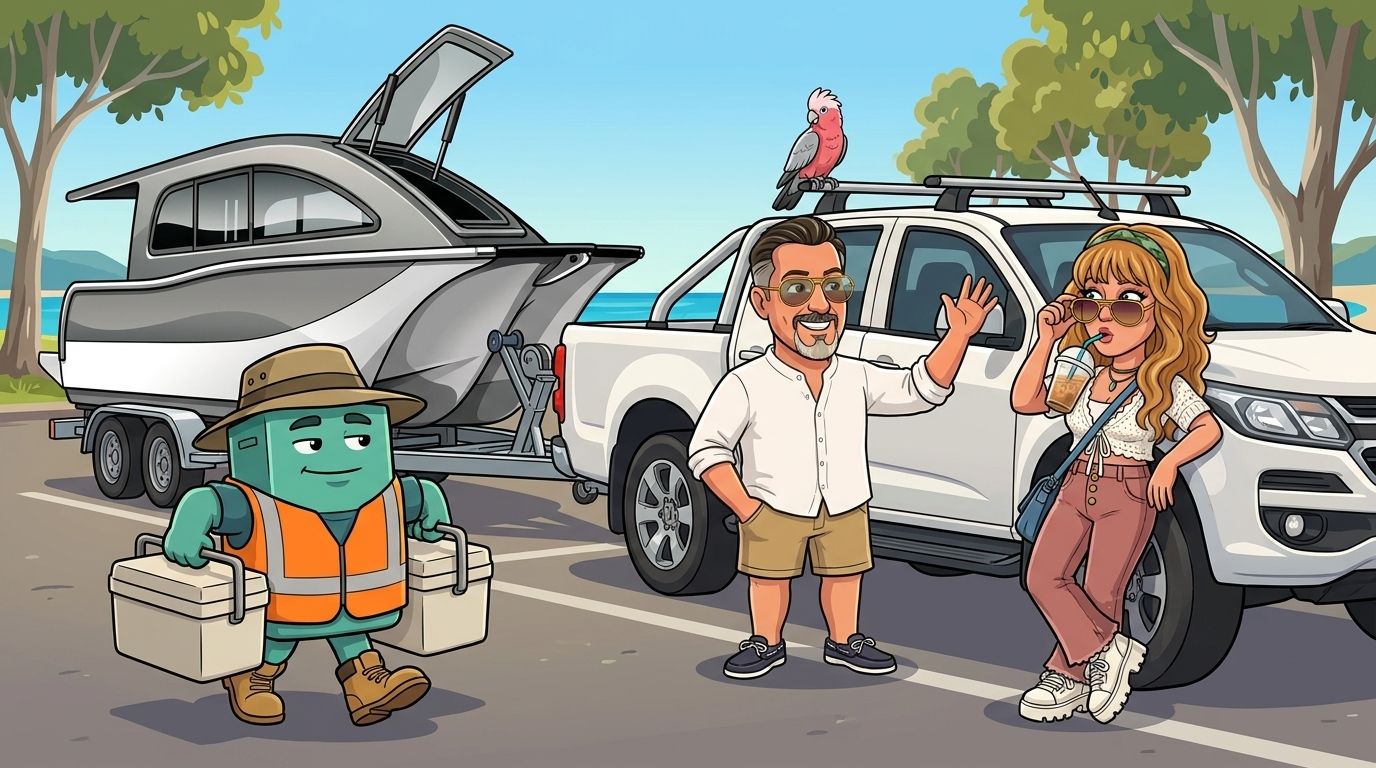
LTO (lithium titanate): the marathon machine
Most lithium batteries use graphite on the negative side. LTO swaps that for titanate, which barely changes shape as it charges and avoids the wear that graphite suffers. So LTO can be charged very quickly. Battery University lists a maximum charge rate of 5C, against about 1C typical for NMC and LFP cells. It also lasts a very long time, at about 3,000–7,000 cycles. It copes well with the cold too, keeping about 80% of its capacity at –30 °C, and it's among the safest lithium types.
Plain English, please: "1C" means charging at a rate that would fill the battery in about an hour. "5C" is five times that rate. DJ's version: it's the difference between filling a paddling pool with a garden hose and with a fire hose.
The trade-off is that LTO stores the least energy per kilo, about 50–80 Wh/kg, and it costs the most for what it holds. That's why you find it where fast, frequent charging matters more than weight: some electric buses that top up at the end of each run, backup power supplies and solar street lights.

Same energy, different size
Picture each battery carrying the same watermelon, which stands for the same amount of stored energy. The NMC sprinter carries it easily. The LFP workhorse needs a bigger frame to carry the same load, and the LTO marathon runner needs the biggest frame of all. Going by the middle of Battery University's ranges, LFP stores a bit over half as much energy per kilo as NMC, and LTO roughly a third. The weight of a whole battery pack also depends on its case, cooling and electronics, so these figures are for the cells.

Heat, cold and charging
On a scorching Queensland day, chemistry matters. All lithium batteries age faster when they're kept hot. The difference is how much abuse a cell takes before it can overheat on its own. With thermal runaway at about 210 °C for NMC and about 270 °C for LFP, and LTO among the safest types, LFP and LTO have more margin. The IEA also notes LFP's better heat resistance and performance in hot climates. That doesn't make NMC unsafe. It's used safely in millions of cars and bikes, but it relies more on good cooling, sensible charging and a battery management system.
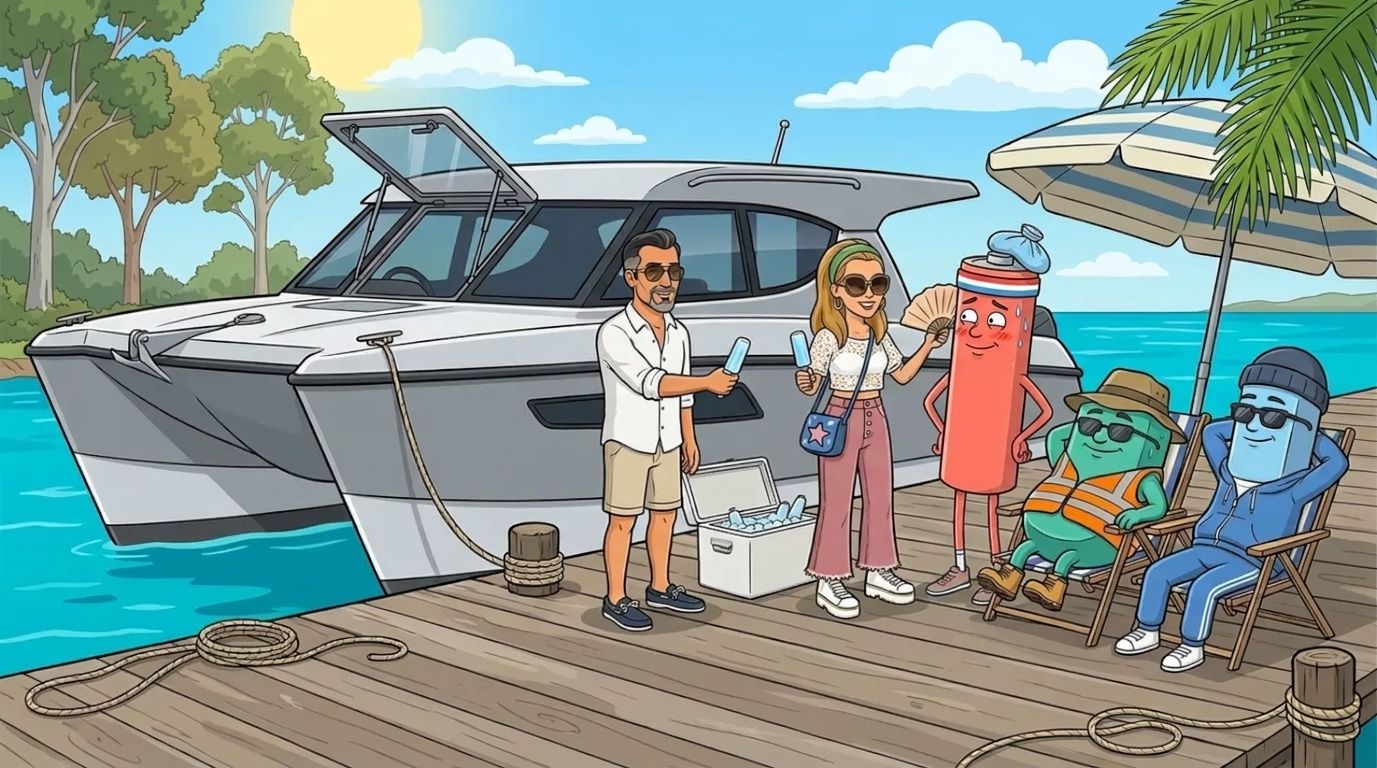
Cold is a different story. Batteries with a graphite negative side, which includes most NMC and LFP batteries, shouldn't be charged below freezing. Battery University warns that charging consumer lithium-ion below 0 °C causes "lithium plating" that permanently harms performance and safety. So a good battery management system blocks charging until the cells warm up, and some packs include heaters. LTO doesn't have that problem, which is also why it can take such high charging rates. Of the other two, the IEA notes NMC generally handles cold climates better than LFP.
Plain English, please: "Lithium plating" is what happens when you charge a graphite-based battery while it's freezing. Instead of soaking in properly, the lithium coats the surface, a bit like frost on a windscreen, and it doesn't all come off again. That costs capacity for good and can make the cell less safe.

Which one for which job?
There's no single "best" battery, only the right one for the job.
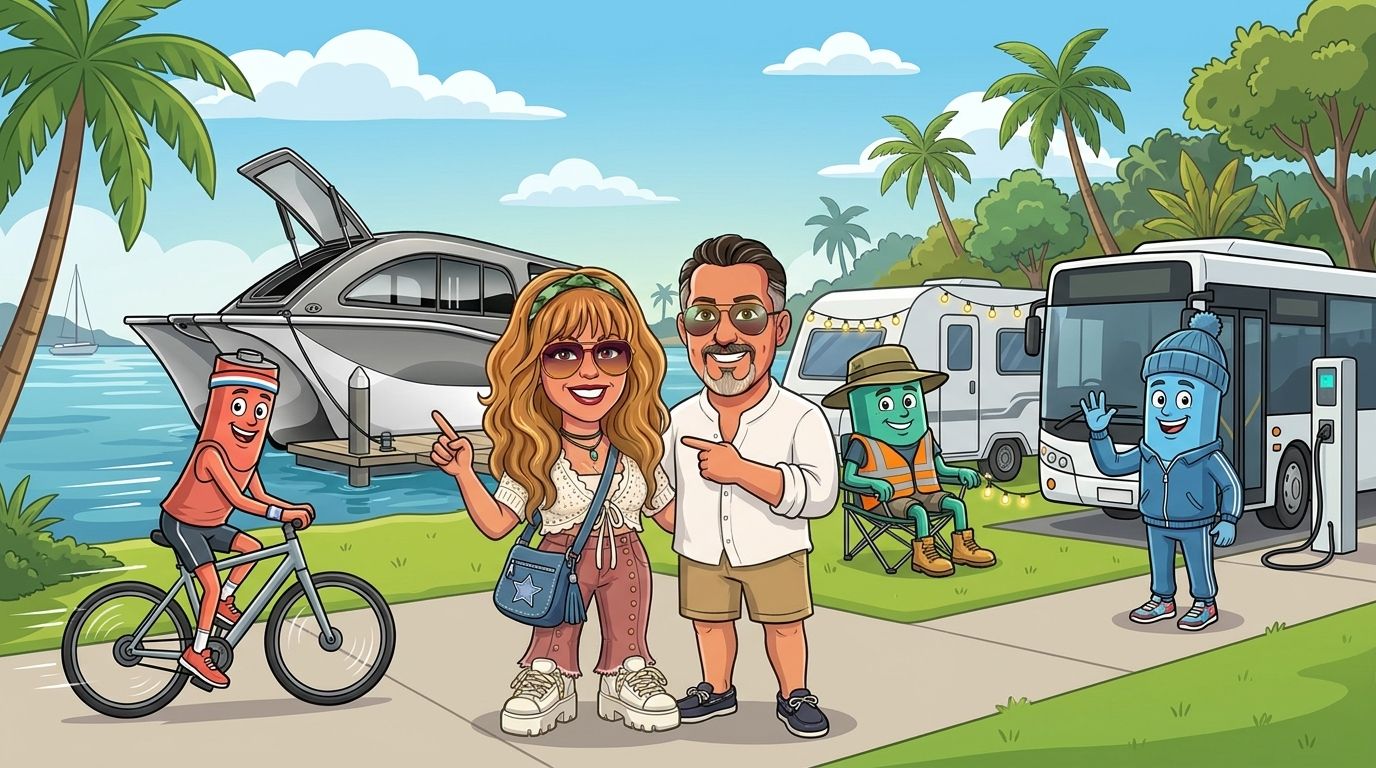
- NMC (lithium nickel manganese cobalt oxide) makes sense where every kilo counts: e-bikes, power tools and many longer-range electric cars. Keep it cool and let its battery management system do its job.
- LFP (lithium iron phosphate) suits most everyday work: many electric cars, home and grid storage, and caravan and 12-volt battery systems. It's heavier, but it's tough, long-lived and good value.
- LTO (lithium titanate) earns its higher cost where a battery is charged hard and often, or in serious cold: some electric buses that top up at the end of every run, backup power and solar street lights.
How to look after any lithium battery
Battery care is like looking after your body. Top priority.
This is general advice, drawn from Battery University and Australian caravan industry installation guidance where noted.
- Keep batteries out of extreme heat, shaded and ventilated. Battery University says lithium-ion is best charged between 10 °C and 30 °C.
- Don't charge a frozen battery unless it's designed for it, like LTO, or its battery management system warms it up first.
- Use the charger and settings designed for that exact chemistry.
- Make sure there's a proper battery management system watching the cells.
- Have it installed by a qualified person to the relevant Australian standard. For caravans and RVs, that's AS/NZS 3001.2.

Why we care
At Cat Cruisers, we build boats that double as caravans: boat by day, caravan by night. When your boat is also where you sleep, it pays to know what the letters on a battery actually mean before you buy. That's why, for us, battery care is top priority.
Sources
- Battery University: BU-205 Types of Lithium-ion
- Battery University: BU-410 Charging at High and Low Temperatures
- International Energy Agency: Global EV Outlook 2026, Electric vehicle batteries
- International Energy Agency: Global battery markets are growing strongly, and so are the supply risks
- International Energy Agency: EV Battery Supply Chain Sustainability (2025)
- Transportation Research Part D (2022): Life cycle assessment of battery electric buses
- Chahbaz et al., Forschungszentrum Jülich: ageing mechanisms of lithium titanate oxide batteries
- Lithium Battery Installation: Industry Guidance V3 (AS/NZS 3001.2)