
What Is an Electric Boat? The Complete Australian Guide

By Jason Rieck
Co-Founder & Lead Designer, Cat Cruisers
If you've looked at new boats lately, you'll have noticed something different. Alongside the familiar petrol outboards and diesel engines, more boats now run entirely on electricity. So what exactly is an electric boat, how does it work, and does it suit the way Australians use the water? Here's the lot, in plain English.
What counts as an electric boat?
An electric boat is any boat pushed along by electric motors running off a battery, instead of an engine burning fuel. The idea isn't new. Electric launches were popular on the River Thames back in the 1880s. What's changed is modern lithium batteries, which store far more energy for their weight.

There are three broad types:
- Pure electric: runs only on battery power.
- Hybrid: an electric drive plus a small fuel engine that can help out or charge the battery.
- Solar-electric: uses solar panels to top up the battery.
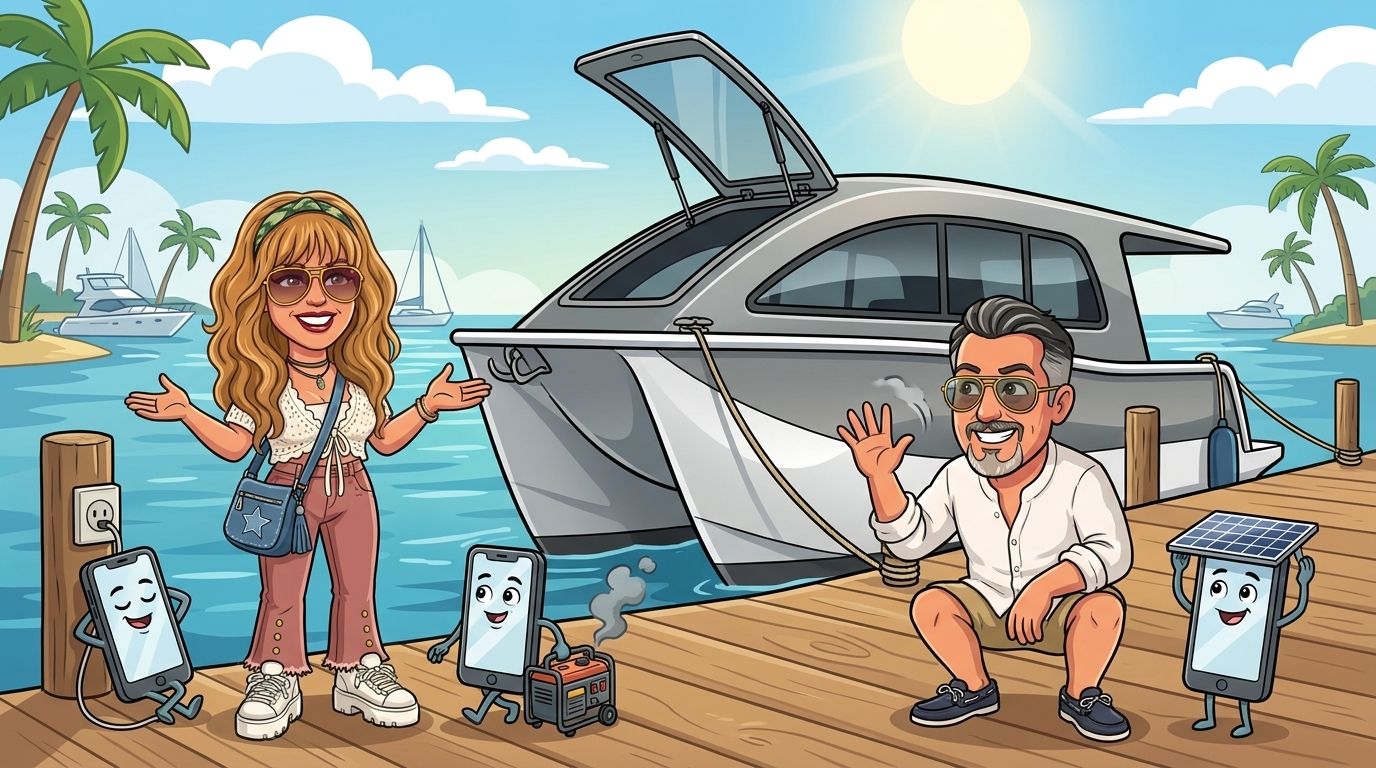
Think of phones. Pure electric is a phone on its charger. Hybrid is a phone with a little petrol generator in your backpack. Solar-electric is a phone wearing a tiny solar-panel hat.
How does the motor work?
An electric boat motor takes electricity from the battery and turns it into spinning force that drives the propeller. Most modern ones are brushless motors, the same basic technology used in electric cars, sealed and protected for life on the water.
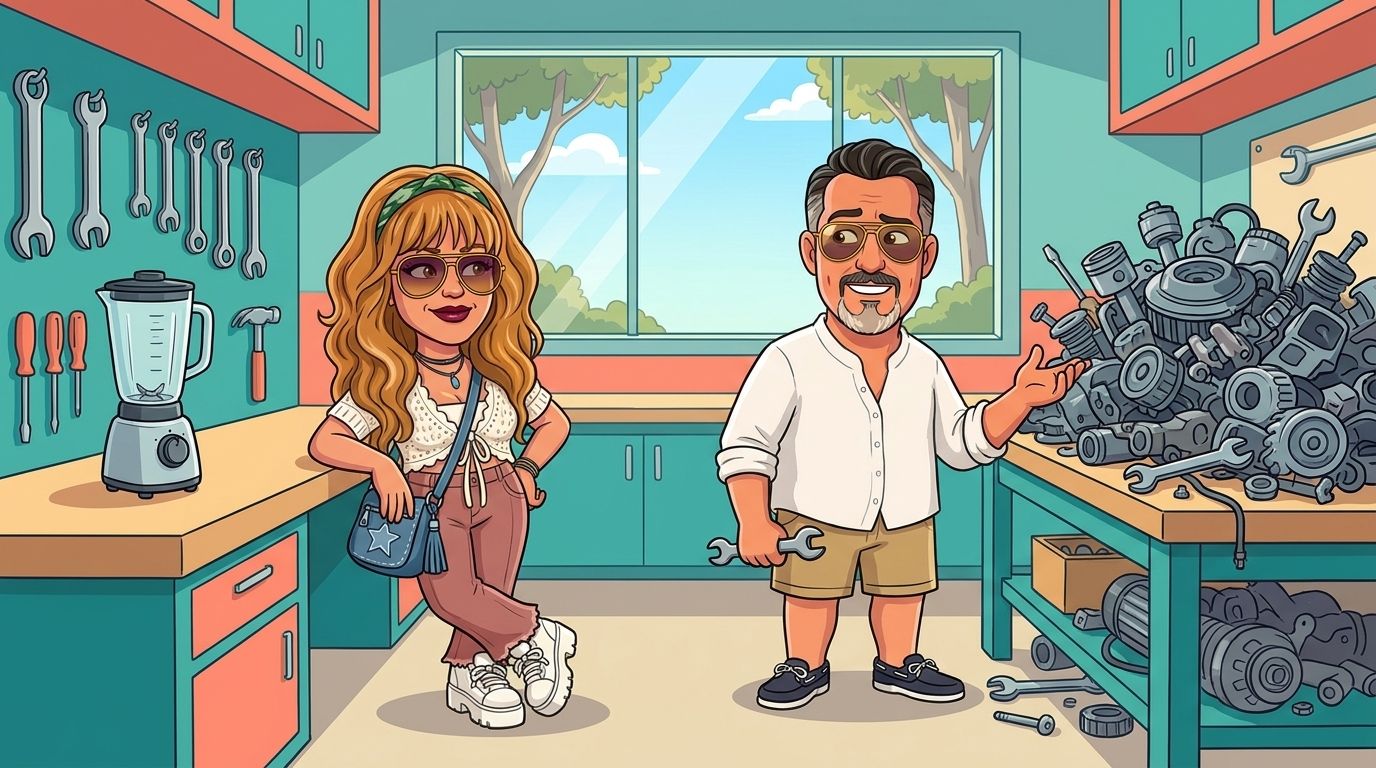
They have only a handful of moving parts. A petrol or diesel engine, with all its bits and pieces, has hundreds. Picture a kitchen blender next to a lawnmower engine pulled apart on the workbench.
Electric motors are also efficient. A petrol outboard loses a big share of its fuel's energy as heat and noise. An electric motor turns far more of its stored energy into actually moving the boat.
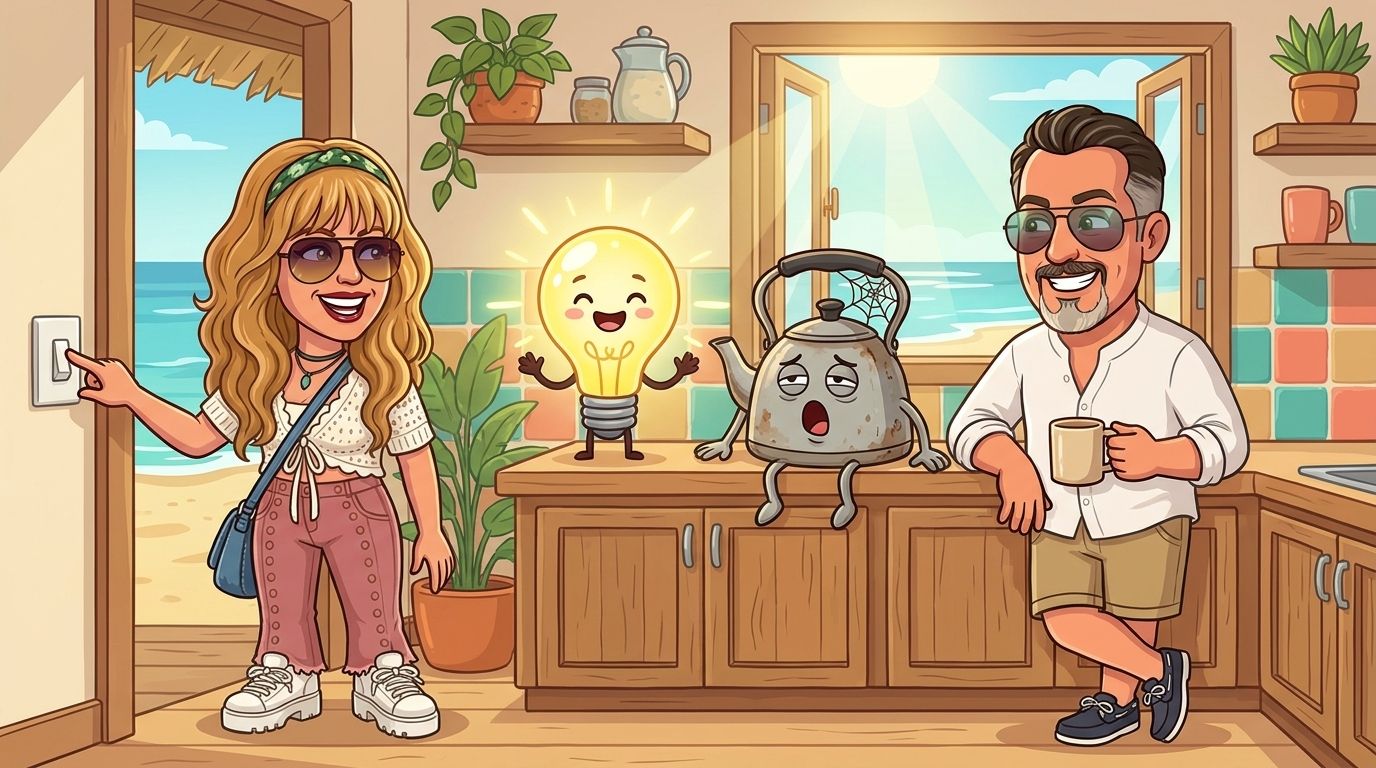
And they respond instantly. Electric motors deliver strong turning force, called torque, from a standstill. There's no warm-up and no lag. It's like flicking on a light switch rather than waiting for an old kettle to boil. For docking and moving slowly in tight spots, that quick, smooth response is a real help.
Why electric suits Australia
Australia is well set up for electric boating. We've got plenty of sunshine, lots of calm rivers, lakes and bays, and a boating culture built around day trips and weekends rather than long ocean crossings. A typical few hours on the water fits well with what modern electric boats are designed to do.
International rules on shipping emissions are also tightening, though they mainly target big commercial ships for now.
The common worries
Range. How far can it go? It depends on the hull, the battery, the motors, the conditions and, above all, speed. As a rough rule, doubling your speed takes about eight times the power, so cruising at sensible speeds makes a huge difference. Our post on how far an electric boat can go explains why.
Charging. Marine fast chargers are still rare in Australia. The first electric-boat fast charger was installed at The Quays Marina in Church Point, Sydney, in 2023. Otherwise, boats typically charge from a suitable outlet at home, at a powered site or from marina shore power.
Safety. Modern marine lithium batteries typically have built-in safety systems that watch temperature and charging, and electrical work on boats in Australia must meet the standard AS/NZS 3004. As general advice, look for proper certification and use a qualified marine electrician.
Is an electric boat right for you?
Electric isn't for everything. If you need to run long distances offshore at high speed, a diesel boat is still the tool for the job. But if your boating is cruising the coast, exploring rivers, fishing quiet bays or entertaining friends, electric makes a lot of sense. Less servicing, no fuel and no exhaust fumes.
Then there's the quiet. With no engine roar, you hear the water, the birds and the people you're with. You can actually have a conversation.

Where Cat Cruisers fits in
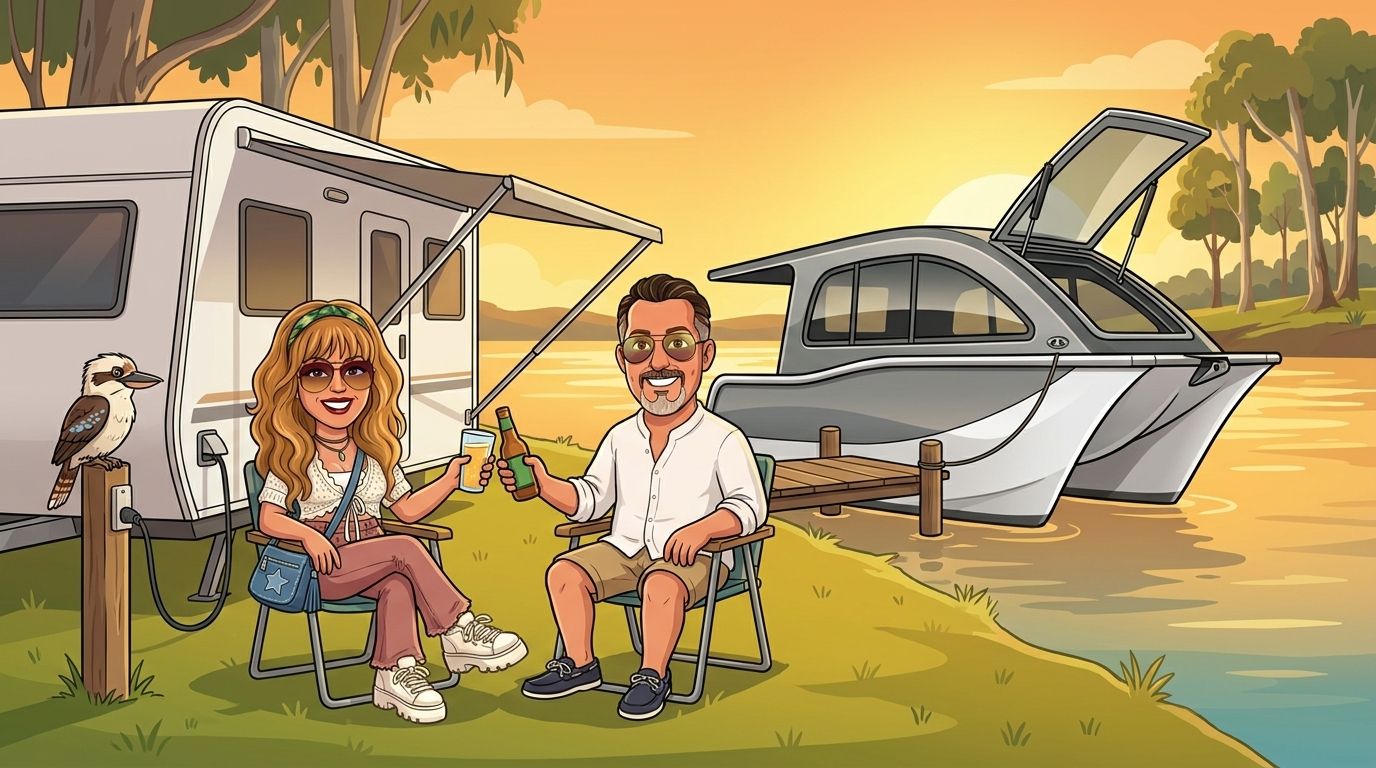
At Cat Cruisers, we build trailerable, all-electric catamarans on the Gold Coast. You tow one behind a suitably rated vehicle and launch at a public boat ramp like any trailer boat. Then it's boat by day, caravan by night. The 650 runs twin 5 kW motors and the 870 twin 10 kW motors, drawing from a 60 kWh drive battery. There's a separate house battery for life on board, 5,000 W of roof solar to help stretch a sunny day, and a fast charge takes about an hour.
Curious what life on an electric boat looks like? Have a chat with the team at catcruisers.com.au/contact.